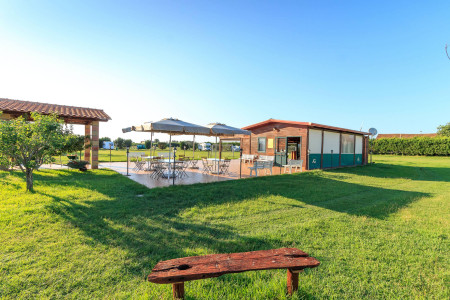
Glamping is the easiest way to combine the freedom of camping with the comfort of a holiday, staying in tents or accommodations immersed in nature and ready to welcome you. In Italy, this form of slow and sustainable tourism is increasingly popular and can be found in many settings: nature campsites, farm stays, rural properties, and facilities dedicated entirely to glamping. On Natura Camping you can search for glamping, farm camping and farm camper stop, choosing the level of comfort you prefer each time.
Glamping in a nutshell
Glamping is a form of camping with ready-made accommodations—such as safari tents, yurts, tiny houses, caravans and treehouses—that offer more comfort than a traditional tent while remaining fully immersed in nature.
What glamping really means
The word glamping comes from the fusion of “glamour” and “camping” and refers to a style of camping that offers higher comfort and services than traditional camping, without losing direct contact with nature. With glamping, you don’t need to pitch a tent or bring all your gear: accommodations are already set up, furnished, and often equipped with bedding, electricity, private bathrooms and heating.
The goal is not to turn camping into a hotel stay, but to make the outdoor experience accessible even to those who are not experienced campers and who want to enjoy the open air without giving up a comfortable bed and well-designed spaces. Whether it’s a safari tent, a yurt or a tiny house, the common thread is always life in nature with an added layer of comfort.
Glamping vs traditional camping
In traditional camping, you manage almost everything yourself: choosing and pitching the tent, mattresses, sleeping bags, camp kitchen, lighting, table, chairs and every detail of your setup. Comfort depends on your equipment, experience and the time you can dedicate to logistics.
With glamping, on the other hand, you find a ready-to-use structure with:
-
real beds with mattresses and linens
-
organised interior spaces (sleeping area, sometimes a living area and kitchenette)
-
dedicated facilities or a private bathroom
-
aesthetic details and atmosphere that make the accommodation pleasant to live in
In terms of budget, glamping costs more than a basic pitch, but often less than many hotels in the same area, while offering a comparable natural setting and location.
Types of glamping accommodation
Glamping is not a single type of tent, but a range of solutions united by comfort, originality and immersion in nature. The most common types include:
-
Safari tents and lodges: large tents on platforms with bedrooms, living areas and often private bathrooms, ideal for families and couples.
-
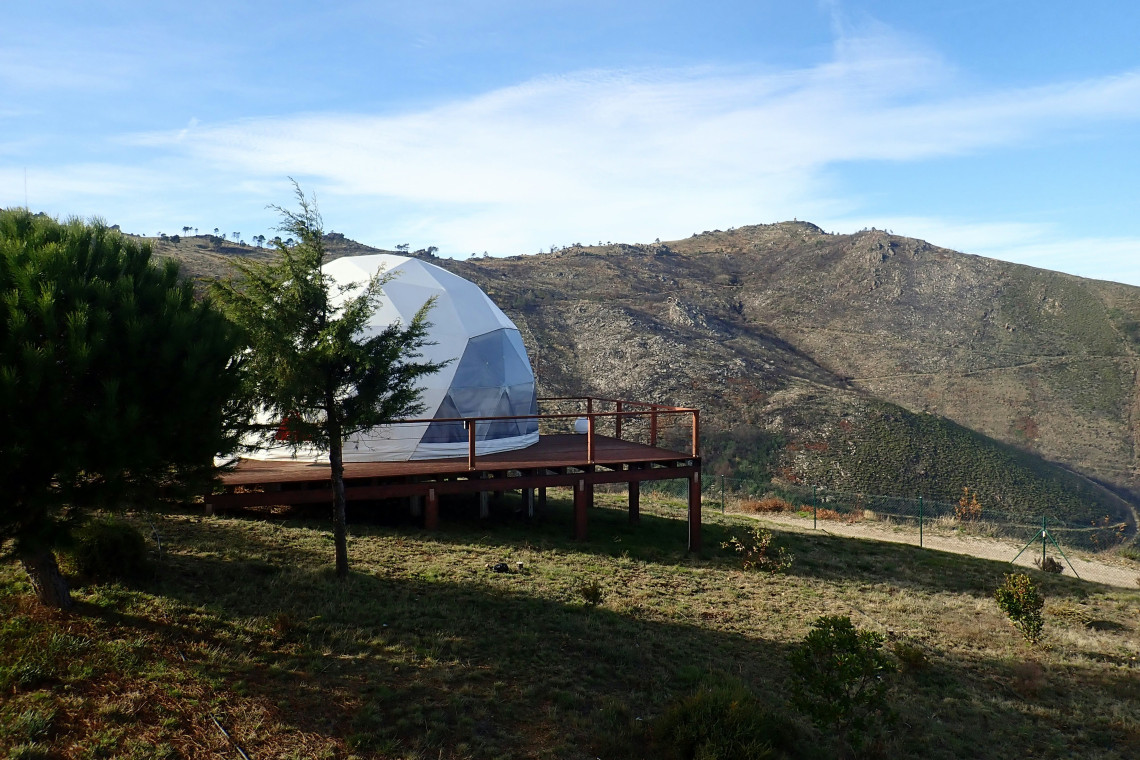
Yurts, geodesic domes and bell tents: design-led fabric structures, often on platforms, perfect for stargazing with modern comfort.
-
Tiny houses and small wooden cabins: compact homes set in greenery, closer to the idea of a cabin than a resort bungalow, well insulated and often suitable for shoulder seasons.
-
Treehouses and suspended tents: scenic solutions for those looking for a unique, elevated experience, usually with few units and great attention to the landscape.
-
Vintage caravans, caravans and campervan-style accommodations: restored historic or creative vehicles turned into charming micro-accommodations, fixed or semi-mobile.
In all cases, the key point is that guests enjoy an outdoor experience in a natural setting, not a classic lined-up bungalow village, keeping the camping feel with a higher level of comfort.
Why choose glamping in Italy
Italy is an ideal country for glamping thanks to its incredible variety of landscapes: sea, lakes, mountains, hills, natural parks and historic villages, often close to one another. This makes it possible to sleep in a lakeside tent, a yurt among olive trees, a tiny house in the vineyards or an accommodation deep in mountain forests.
Choosing glamping in Italy means experiencing the territory in a slow and authentic way, discovering local products, small farms, wineries and nature trails, without giving up the comfort of a real room. It’s a form of tourism that enhances the landscape and avoids standardised holidays, especially when connected to local and rural realities.
Glamping, farm camping and farm camper stop: different roles
In Italian outdoor tourism, it’s useful to distinguish between different types of facilities:
-
Glamping: facilities with ready-made tents or accommodations (safari tents, yurts, tiny houses, caravans, treehouses, etc.) designed to offer high comfort in a natural setting.
-
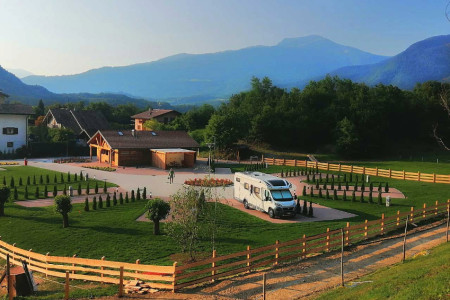
Farm camping: small campsites within working farms or agriturismi, with pitches for tents, motorhomes and vans, sometimes combined with a few glamping units. They are true campsites set in an active rural context.
-
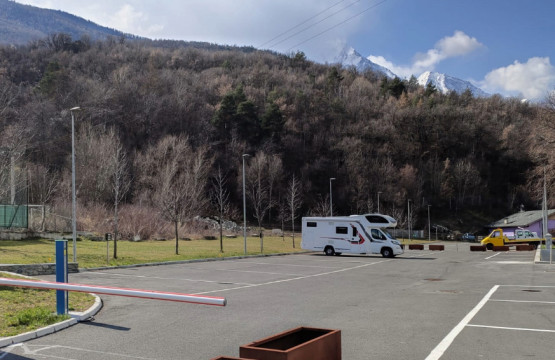
Farm camper stop: simpler spaces within farms, mainly for motorhomes and vans, often without full campsite infrastructure but with basic services and a strong connection to rural life.
Glamping is therefore not limited to farm camping: it can be found in traditional campsites, agriturismi and other settings, but in rural environments it often feels particularly authentic thanks to direct contact with those who live and work the land.
Glamping for those without a motorhome, caravan or tent
One of glamping’s main strengths is making the camping experience accessible even to those who don’t own a motorhome, caravan or camping equipment. All the technical aspects—accommodation, structure, bed, basic furnishings—are already taken care of, so you only need to think about what to pack.
It’s an ideal solution if:
-
you often travel by plane or train and can’t carry bulky gear
-
you want to try camping life before investing in a vehicle or full equipment
-
you love nature and the idea of sleeping outdoors, but prefer a well-kept, ready-to-use space
Many glamping sites also offer breakfasts with local products, traditional dinners, guided activities and services designed for first-time outdoor travellers.
Glamping for families, couples and friends
Glamping suits different types of travellers thanks to its mix of adventure and comfort.
For families:
Children can enjoy nature up close with open spaces to play, while parents benefit from comfortable beds, nearby facilities and less logistics to manage. Some sites offer cots, play areas, outdoor activities and child-friendly menus.
For couples:
A romantic atmosphere, soft lighting, panoramic views and the chance to choose special accommodations such as treehouses or scenic tents. Packages with in-room breakfasts, tastings or wellness experiences are often available.
For groups of friends:
The option to book multiple nearby units and share common areas for cooking, relaxing or activities. Perfect for active weekends with hiking, biking, water sports or simply relaxing together.
This flexibility makes glamping suitable both for special weekends and longer nature-based holidays.
When to go glamping: the best seasons
In Italy, the most popular glamping season runs from spring to early autumn, when days are longer and temperatures are ideal for outdoor living. Travelling in spring outside Italian school holidays often means a quieter atmosphere, while from mid-June to early/mid-September—when schools are closed and many families are on holiday—the season peaks, especially in seaside, lake and mountain areas, with maximum availability of facilities and activities but higher demand.
There are also glamping sites designed for shoulder seasons and winter, with well-insulated and heated accommodations that allow you to enjoy snow, forests or hills off-season. In these cases, it’s important to check opening periods, cold-weather facilities and available services to choose a glamping stay truly suited to the season.
Glamping and environmental respect
Many glamping facilities are created with a strong focus on sustainability: use of natural materials, removable structures, renewable energy, and careful water and waste management. This is especially evident when glamping is linked to agricultural and rural-chic realities with a direct interest in preserving the landscape.
As a guest, you can contribute by walking or cycling whenever possible, respecting site rules, reducing single-use plastics and choosing local products. The result is a holiday that combines personal wellbeing, contact with nature and environmental awareness.
Discover glamping, farm camping and farm camper stop with Natura Camping
In Italy, glamping is part of a broader outdoor tourism ecosystem that also includes farm camping and rural stopovers. On Natura Camping you can search all three options, choosing the mix of comfort and freedom that suits each trip.
On the website you can:
-
find nature-immersed glamping by area
-
discover farm camping that combine pitches and, in some cases, glamping units
-
locate simple but authentic farm camper stops, ideal for motorhome or van travellers
By filtering by category, location and services, you can plan weekends, summer holidays or off-season escapes, deciding each time whether to sleep in a tent, a ready-made glamping accommodation, a farm camping or a farm camper stop. In every case, you’ll stay connected to nature and to the people who live and work the land, with a level of comfort tailored to your way of travelling.
Frequently asked questions about glamping
What is glamping in simple terms?
Glamping is “ready-to-use” camping: you sleep in furnished, comfortable tents or accommodations immersed in nature, without pitching a tent or bringing all the equipment.
How much does glamping cost compared to traditional camping?
Glamping costs more than a basic tent or motorhome pitch because it includes accommodation and services, but it can be more affordable than many hotels in the same area.
Is glamping suitable for children?
Yes. Many glamping sites are family-friendly, offering comfortable beds, nearby facilities and safe outdoor spaces where children can play and explore nature.
Can I go glamping without camping equipment?
Yes, that’s one of its main advantages: everything is usually provided (bed, linens, essential furnishings), so you only need to pack as you would for a normal holiday.
 by
by